Political Theory / Philosophy
The course covers the theories and teachings of a number of key thinkers of the 20th and 21st centuries (such as I. Berlin, J. Rawls, H. Arendt, J.Butler and others). How to perceive freedom? Why are human relations characterized as brittle? Is human vulnerability unevenly distributed and why? What does this mean in terms of human life? How is possible justice and forgiveness? These and other issues, as well as the above-mentioned teachings and theories, often go beyond the limits of philosophy and are placed in the field of interdisciplinary research. Some of the authors include those who oppose official institutions and situations in which they exist. Others, on the contrary, have started their activity within these institutions. This difference (sometimes even contradictory) is expressed, and perhaps even conditioned, first of all, in their ways of pondering and philosophizing. Thus, this can be a possibility of imagining the diversity of the intellectual spectrum of the observed period. In addition to the lectures, the course will provide some smaller texts of these authors for the reading and discussion.
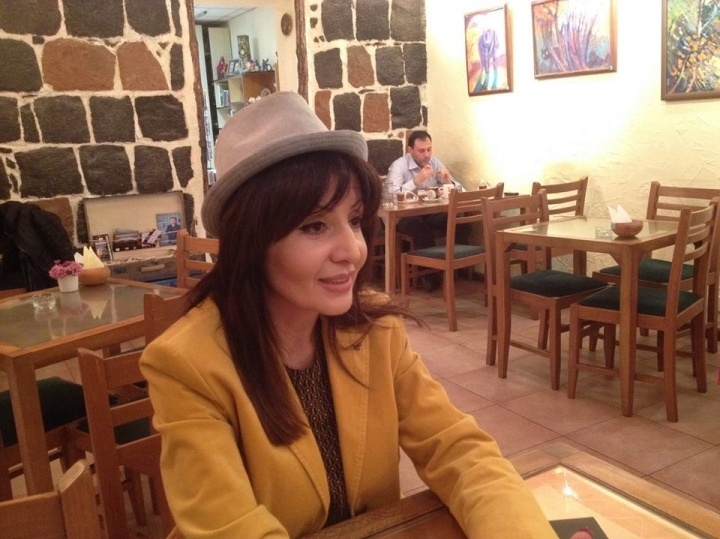
The course is conducted by Naira Mkrtchyan
History of Armenian Contemporary Art. Spatialization of the Modernity
The course covers the theories and teachings of a number of key thinkers of the 20th and 21st centuries (such as I. Berlin, J. Rawls, H. Arendt, J.Butler and others). How to perceive freedom? Why are human relations characterized as brittle? Is human vulnerability unevenly distributed and why? What does this mean in terms of human life? How is possible justice and forgiveness? These and other issues, as well as the above-mentioned teachings and theories, often go beyond the limits of philosophy and are placed in the field of interdisciplinary research. Some of the authors include those who oppose official institutions and situations in which they exist. Others, on the contrary, have started their activity within these institutions. This difference (sometimes even contradictory) is expressed, and perhaps even conditioned, first of all, in their ways of pondering and philosophizing. Thus, this can be a possibility of imagining the diversity of the intellectual spectrum of the observed period. In addition to the lectures, the course will provide some smaller texts of these authors for the reading and discussion.
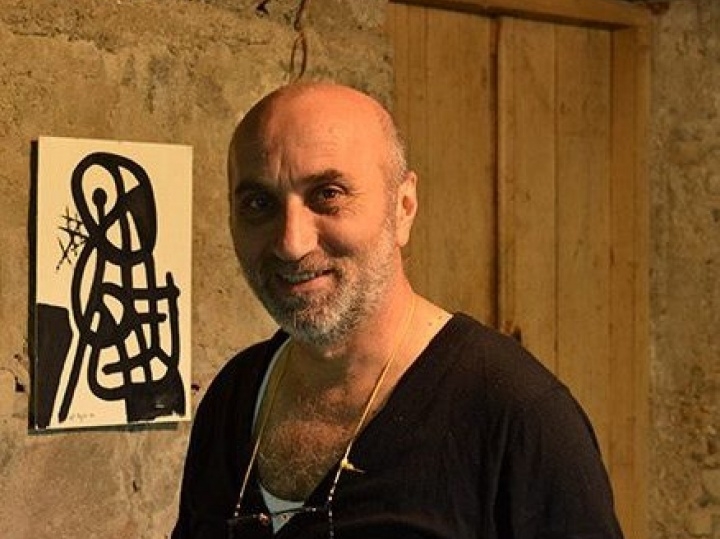
The course is conducted by Nazareth Karoyan
Post-war Avant-guard and Contemporary Art History
The features of contemporary art are endless – a variety of materials and styles, artistic pluralism. It views art as an experience, it is a tool for change. The viewer becomes part of the artwork, it is open and drives to dialogue and discussion, raising social consciousness, removing art outside of museums, interdisciplinary research, and exploring ideas, concepts, questions and practices in general.
The basis of all the above points is largely considered to be Marcel Duchamp, who is standing on the threshold of contemporary and modern paths, and about whom can be not spoken from the very beginning. Further, a transition will be made to key, pivotal movements or art stages that form and maintain contemporary art. The basis of the training will be not only images but also the textual works of the same artists and critics that have shaped the context of the cultural event context.
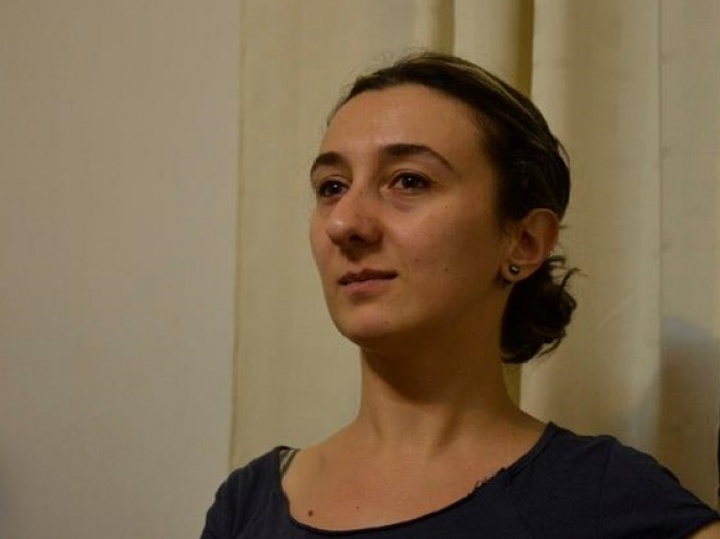
The course is conducted by Anna Galstyan
Media Studies
Introduction: Media studies as a multidisciplinary or interdisciplinary field of research: prerequisites, development conditions, commitments, spread and use.
Part One: Media Text Analysis – In this part of the course, the fundamentals of media semiotics, as well as the main means of organizing media texts (genre, narrative) and their contemporary transformations will be discussed. Further examples of media analysis (advertising, photography, film) will be considered. Particular attention will be paid to photography and cinema.
Part Two: Media-Society Relationships -This section of the course will address a number of issues. From what viewpoints can the interactions between media and culture (cultural identity in particular) be considered? What is “politics of representation”? What is ideology and how to approach the issue of media-government relations?
Other topics of the course include mass culture, advertising and consumerism, media and globalization issues.
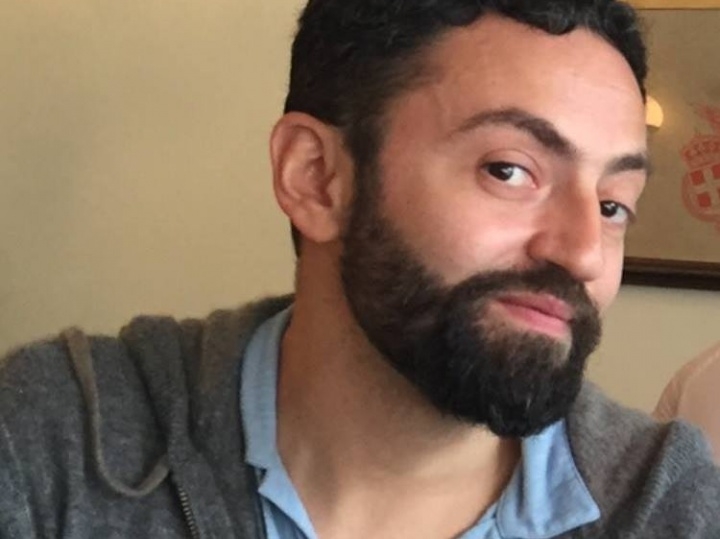
The course is conducted by Hrach Bayadyan
Urban Environment and Historical – Cultural Communication
The concept of “city”, stories about genealogy and urbanization of cities and urban cultures. Urban space and architecture as a means of understanding the multi-dimensional nature of public-political, cultural paradigms.
The course is conducted by Ruben Arevshatyan